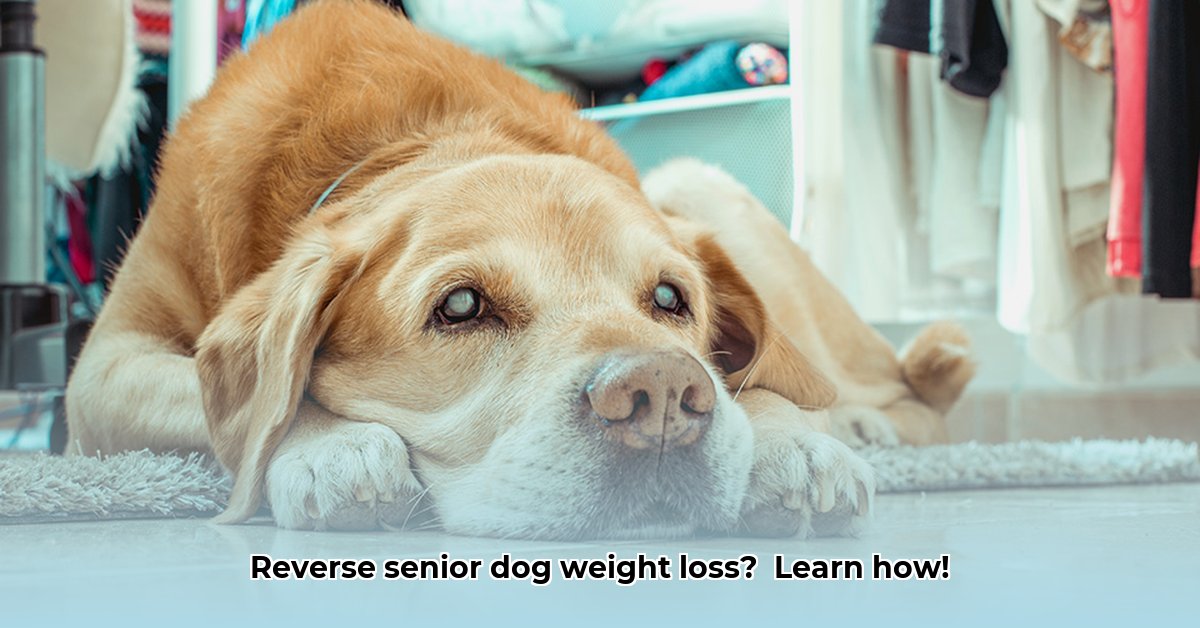
Understanding Weight Loss in Senior Dogs
Is your senior dog losing weight? While some weight loss is a natural part of aging, significant or sudden weight reduction can signal a serious underlying health issue. This guide, developed with veterinary input, will help you understand the causes, diagnosis, and treatment of weight loss in older dogs. Remember, early intervention is crucial for your dog's well-being.
Identifying the Problem: Normal Aging vs. Disease
As dogs age, their metabolism slows, and they may become less active, leading to gradual weight loss. However, a sudden or significant decrease in weight often indicates an underlying health problem. Differentiation is key. A gradual weight change may warrant monitoring, but rapid weight loss necessitates immediate veterinary attention. What might seem like normal aging could be a symptom of a serious condition, such as cancer, kidney disease, or dental problems.
Diagnosing the Cause: The Crucial Veterinary Role
Your veterinarian is your most valuable resource. A thorough examination, including a physical assessment and potentially blood work, urinalysis, and imaging (X-rays or ultrasound), is essential to pinpoint the cause. Dr. Emily Carter, DVM, of the Animal Wellness Clinic, emphasizes, "A comprehensive diagnostic approach is vital. Don't assume weight loss is simply due to aging; a proper diagnosis guides effective treatment." Early diagnosis allows for prompt intervention, significantly improving your dog's prognosis and quality of life.
Developing a Solution: A Multi-Faceted Approach
Treatment for senior dog weight loss depends on the underlying cause. However, a combination of dietary adjustments, nutritional support, and lifestyle modifications often plays a crucial role. Let's explore the key strategies:
Dietary Adjustments: Your vet may recommend switching to a higher-calorie, easily digestible food formulated for senior dogs. Dr. Michael Davis, DVM, PhD, from the University Veterinary Hospital, notes, "Senior dogs often have decreased appetites or difficulty chewing. Wet food or softer kibble can improve their intake." Consider adding low-sodium broth or small amounts of plain cooked chicken to increase palatability.
Nutritional Support: In some cases, nutritional supplements may be beneficial to address specific nutrient deficiencies. However, always consult your veterinarian before introducing supplements. "Supplements should be vet-recommended and carefully monitored to avoid adverse reactions," advises Dr. Carter.
Gentle Exercise: While strenuous activity is discouraged, maintaining a moderate activity level – short walks, gentle playtime – helps maintain muscle mass and boost appetite. Find a balance that's comfortable for your dog, avoiding overexertion.
Addressing Underlying Medical Conditions: If a specific disease is diagnosed (e.g., hyperthyroidism, inflammatory bowel disease), addressing that condition is paramount. Treatment will vary depending on the diagnosis.
Monitoring Progress and Seeking Immediate Attention
Regular weigh-ins (using the same scale) and monitoring for changes in appetite, energy levels, and bowel movements are crucial. Regular veterinary checkups allow for adjustments to the treatment plan based on your dog’s progress.
Warning Signs Requiring Immediate Veterinary Attention:
- Rapid and significant weight loss.
- Lethargy or unusual weakness.
- Persistent vomiting or diarrhea.
- Noticeable changes in appetite or thirst.
Don't delay seeking veterinary care if you observe any of these urgent signs.
Preventing Weight Loss: Proactive Strategies
Preventative care is equally important. A healthy diet, regular exercise appropriate for your dog's age and condition, and annual veterinary checkups are vital for maintaining your senior dog’s weight and overall well-being. Early detection of potential problems is key to successful intervention.
Key Takeaways:
- Sudden weight loss in senior dogs often indicates an underlying medical condition.
- A comprehensive veterinary examination is crucial for accurate diagnosis.
- A multi-faceted approach, including dietary changes, nutritional support, and gentle exercise, is essential for managing weight loss.
- Regular monitoring and veterinary follow-up are vital for success.
By following this guide and working closely with your veterinarian, you can help your senior dog maintain a healthy weight and enjoy a happy, fulfilling life.